|
| |
 |
|
 |
 |
Biodegradable resin is an efficient
environment-friendly biodegradable resin manufactured by using
the catalytic process and polymerization through the polycondensation
of glycol and dicarboxylic acid.
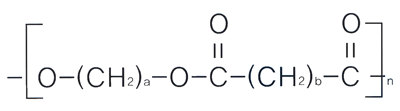
The molecular structure of biodegradable resin is as follows:
|
 |
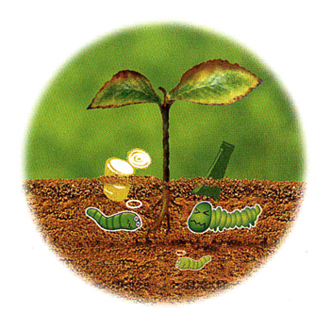
Biodegradable resin is inert in
the air but reacts with microorganisms existing in the soil,
compost, river, lake and sea, making it easy to break down into
water and carbon dioxide without any hazardous by-products.
Biodegradable resin is particularly suitable for the following
uses
(1) Various disposable products that are difficult to recollect
after use, i.e. film for agricultural use and port for seedling
(2) Garbage bag for wastes such as food for composting being
in difficulties for separating the contents from bag
(3) Melt coating for packaging products that is impossible to
peel off and separate (paper cup, cup noodle and inner coating
of container)
Biodegradable resin has mechanical and processing properties
similar to general use resins (PE, PP, PS), and it can be easily
molded with existing general use molders. |
 |
 |
 |
| [ When non-resoluble resin is discarded in the environment
] |
[ When perfectly resoluble resin is discarded in the
environment ] |
|
|
| |
|